View Your Courses

Join us for a world of learning!

On-Demand Enrollment
100% Online with 24/7 access

ENROLL TODAY

Culinary Foundations Level 1

Show Full Syllabus
Unit 1: Culinary Foundations Level 1 Overview
View Tasks
This unit provides an overview and orientation to the Culinary Foundations Level 1 course. It sets expectations and provides instructions on how to use the course platform to progress through activities and assessments.
Orientation
Course Orientation
  • Task 1: Introduction
  • Task 2: Course Orientation & Objectives
  • Task 3: How to Learn with Rouxbe
  • Task 4: The Map of Cooking & The Cooking Methods Wheel
  • Task 5: Activity | Make Your Go-To Dish
Complementary Skills for Culinarians
  • Task 6: Teamwork & Operational Awareness
  • Task 7: The Basics of Being a Team Member
  • Task 8: Problem Solving & Judgment
  • Task 9: Proactive vs. Reactive Problem Solving
  • Task 10: Pride & Respect
  • Task 11: Professional Presence & Appearance
End of Unit 1
Unit 2: Knives, Knife Cuts & Knife Sharpening
View Tasks
This unit charts a path for you to become more comfortable and proficient with handling a knife. Since a knife is the most important tool in the kitchen, we offer guidance on how to select and care for your knives while giving you ample opportunity to practice your skills.
Orientation
Unit Orientation
  • Task 12: Unit Orientation & Objectives
  • Task 13: Complete Your Self Assessment
  • Task 14: Unit Pre-Assessment
Selecting a Knife Set
  • Task 15: Selecting a Kitchen Knife Set
  • Task 16: Label the Parts of a Chef's Knife
Proper Knife Handling
  • Task 17: Handling a Chef's Knife
  • Task 18: The Bench Scraper Practice Activity
  • Task 19: Practice Honing Your Knife
How to Cut with a Chef’s Knife
  • Task 20: How to Cut Using a Chef's Knife
  • Task 21: Activity | Label Knife Cuts
  • Task 22: LIVE GRADED - Demonstrate Safe Cutting Techniques
  • Task 23: Activity | Knife Cut Variations
Sharpening Your Knife
  • Task 24: Knife Sharpening with a Whetstone
Review
Unit Review
  • Task 25: Unit Review & Quiz Preparation
  • Task 26: Unit Quiz
  • Task 27: Activity: Practice & Share Your Photos
End of Unit 2
Unit 3: Food & Kitchen Safety
View Tasks
Foodborne illness can be an issue both inside and outside of the kitchen, regardless of how well we think we know our food supply chain. Symptoms can range from an upset stomach to nausea, diarrhea or vomiting. In this unit, you'll learn techniques and habits to keep your loved ones happy and healthy.
Orientation
Unit Orientation
  • Task 28: Unit Orientation & Objectives
  • Task 29: Complete Your Self Assessment
  • Task 30: Unit Pre-Assessment
Introduction to Food Safety
  • Task 31: Introduction to Food Safety
  • Task 32: Causes of Foodborne Illness
  • Task 33: Types of Pathogens
  • Task 34: Keys to Food Safety
Handwashing
  • Task 35: Introduction to Handwashing
  • Task 36: When to Wash Your Hands
  • Task 37: Proper Handwashing
  • Task 38: Practice
Buying & Storing Food
  • Task 39: Buying Food Safely
  • Task 40: Potentially Hazardous Foods
  • Task 41: Buying Food Safely
  • Task 42: Storing Food Safely
  • Task 43: Storing Food in the Refrigerator
  • Task 44: Quiz: Storing Food in the Refrigerator
  • Task 45: More Refrigerator Tips
  • Task 46: Storing Food in the Freezer
  • Task 47: Storing Dry Goods
  • Task 48: Storing Leftovers
Preparing Food
  • Task 49: Preparing Food Safely
  • Task 50: Cross-Contamination
  • Task 51: The Danger Zone
  • Task 52: Cooking Food Thoroughly
  • Task 53: Using Thermometers
Cleaning Up
  • Task 54: Cleaning for Food Safety
  • Task 55: When to Clean
  • Task 56: Cleaning Counters & Cutting Boards
Kitchen Safety Basics
  • Task 57: Introduction to Kitchen Safety
  • Task 58: Types of Hazards
  • Task 59: Basic First Aid
Review
Unit Review & Quiz Preparation
  • Task 60: Unit Review & Quiz Preparation
  • Task 61: Unit Quiz
End of Unit 3
Unit 4: Dry-Heat Cooking Methods
View Tasks
This unit focuses on dry-heat cooking methods. It will introduce some foundational information on how to heat a pan so you can properly pan fry food. In this unit, you will learn the few key indicators to look for when pan-frying along with some simple, yet, effective cooking methods that will enable you to master the art of pan frying. This unit also introduces the concepts of sweating, sautéing, breading, battering and the stir-fry technique.
Orientation
Unit Orientation
  • Task 62: Unit Orientation & Objectives
  • Task 63: Complete Your Self Assessment
  • Task 64: Unit Pre-Assessment
How to Pan Fry
  • Task 65: Pan Frying
  • Task 66: Perform the Water Test
  • Task 67: Pan Frying Challenge Questions
  • Task 68: Re-Order Activity: Pan Frying Sequence
  • Task 69: Pan Frying Thick vs. Thin Ingredients
  • Task 70: LIVE GRADED - Pan Fry Chicken Medallions
Pan Tossing
  • Task 71: Pan Tossing
How to Sweat Ingredients
  • Task 72: How to Sweat Ingredients
How to Sauté
  • Task 73: How to Sauté
  • Task 74: LIVE GRADED - Sauté Mushrooms
Searing
  • Task 75: Searing
How to Bread & Batter Foods
  • Task 76: How to Bread & Batter Foods
How to Shallow Fry & Deep Fry
  • Task 77: How to Shallow Fry & Deep Fry
Introduction to Stir-Frying
  • Task 78: Introduction to Stir-Frying
How to Stir-Fry
  • Task 79: How to Stir-Fry
Review
Unit Review
  • Task 80: Unit Review & Quiz Preparation
  • Task 81: Unit Quiz
  • Task 82: Activity: Practice & Share Your Photos
End of Unit 4
Unit 5: Moist-Heat Cooking Methods
View Tasks
This unit focuses on moist-heat cooking methods. Moist methods allow you to create a variety of delicious dishes that use hot liquid or steam for their preparation. In this unit, you will learn some simple yet effective methods that will enable you to master the art of submersion cooking. This unit will also introduce you to the cooking methods of braising, poaching, steaming, stewing and simmering.
Orientation
Unit Orientation
  • Task 83: Unit Orientation & Objectives
  • Task 84: Complete Your Self Assessment
  • Task 85: Unit Pre-Assessment
Submersion Cooking Methods
  • Task 86: Submersion Cooking Methods
Combination Cooking Fundamentals
  • Task 87: Combination Cooking Fundamentals
Braising | Combination Cooking
  • Task 88: Braising | Combination Cooking
Stewing | Combination Cooking
  • Task 89: Stewing | Combination Cooking
  • Task 90: Re-Order Activity: Stewing Steps
Pot Roasting | Combination Cooking
  • Task 91: Pot Roasting | Combination Cooking
Steaming | Introduction
  • Task 92: Steaming Introduction
  • Task 93: Question Reveal Activity
Steaming | Basics
  • Task 94: Steaming Basics
  • Task 95: Image Select Activity
Pressure Cooking
  • Task 96: Introduction to Pressure Cooking
  • Task 97: What is Pressure Cooking?
  • Task 98: Cooking with a Pressure Cooker
  • Task 99: Pressure Cooker Safety
Review
Unit Review
  • Task 100: Unit Review & Quiz Preparation
  • Task 101: Unit Quiz
  • Task 102: Activity: Practice & Share Your Photos
End of Unit 5
Unit 6: How to Make Stock
View Tasks
In this unit you will learn to prepare the most common types of stocks, including dark stock, short stock, chicken, veal, beef and vegetable stocks, as well as broths.
Orientation
Unit Orientation
  • Task 103: Unit Orientation & Objectives
  • Task 104: Complete Your Self-Assessment
  • Task 105: Unit Pre-Assessment
How to Make Stock | Fundamentals
  • Task 106: How to Make Stock | Fundamentals
How to Make Dark Stock
  • Task 107: How to Make Dark Stock
How to Make Short Stock
  • Task 108: How to Make Short Stock
How to Make Broth
  • Task 109: How to Make Broth
  • Task 110: LIVE GRADED - Make a White Broth
How to Make Veal & Beef Stock
  • Task 111: How to Make Veal & Beef Stock
  • Task 112: Re-Order Activity
Plant-Based Stocks
  • Task 113: Plant-Based Stocks | Introduction
  • Task 114: Vegetable Stock
Review
Unit Review
  • Task 115: Unit Review & Quiz Preparation
  • Task 116: Unit Quiz
  • Task 117: Activity: Practice & Share Your Photos
End of Unit 6
Unit 7: Seasoning
View Tasks
This unit introduces you to the techniques of correct and balanced seasoning. Brining, salting, cooking with herbs and marinating will be the main focus as you learn to build deep, delicious flavor in your dishes.
Orientation
Unit Orientation
  • Task 118: Unit Orientation & Objectives
  • Task 119: Complete Your Self Assessment
  • Task 120: Unit Pre-Assessment
Basic Seasoning
  • Task 121: How to Season with Salt
How to Brine
  • Task 122: How to Brine
How to Use & Cook with Herbs
  • Task 123: How to Use & Cook with Herbs
Marinades
  • Task 124: How to Marinate Foods
Fats & Oils
  • Task 125: Fats & Oils | Introduction
  • Task 126: Choosing Fats
  • Task 127: How to Select Quality Olive Oil
  • Task 128: Using Fats
Acids: Vinegars, Alcohol & Citrus
  • Task 129: Acids: Vinegars, Alcohol & Citrus | Introduction
  • Task 130: Choosing & Using Acids | Vinegars
  • Task 131: How to Choose Quality Balsamic Vinegar
  • Task 132: Choosing & Using Acids | Citrus & Alcohol
Review
Unit Review
  • Task 133: Unit Review & Quiz Preparation
  • Task 134: Unit Quiz
  • Task 135: Activity: Practice & Share Your Photos
End of Unit 7
Unit 8: Plating
View Tasks
Excellent, consistent, and quick plating takes just a bit of forethought, practice and skill. In this unit, you will identify the anatomy of a plate and look at plate design. You will also learn how to set up your workstation in order to efficiently plate, sauce and garnish. In addition, you will learn how to inspect a finished plate before serving it to a diner.
Orientation
Unit Orientation
  • Task 136: Unit Orientation & Objectives
  • Task 137: Complete Your Self Assessment
  • Task 138: Unit Pre-Assessment
The Basics of Plating
  • Task 139: The Basics of Plating
  • Task 140: LIVE GRADED - Plating A Dish
Review
Unit Review
  • Task 141: Unit Review & Quiz Preparation
  • Task 142: Unit Quiz
  • Task 143: Recipe Plating Gallery
End of Unit 8
Unit 9: Nutrition in The Kitchen
View Tasks
This unit begins to build a nutritional foundation that will help you make decisions related to personal health and our food supply, and shed light on various dietary restrictions that could influence cooking.
Orientation
Unit Orientation
  • Task 144: Unit Orientation & Objectives
  • Task 145: Complete Your Self Assessment
  • Task 146: Unit Pre-Assessment
Basic Nutrition
  • Task 147: Our Functional Foods Approach
  • Task 148: Macronutrients
  • Task 149: Micronutrients
Diets & Dietary Restrictions
  • Task 150: Understanding Ways of Eating
  • Task 151: Different Ways of Eating by Choice
  • Task 152: Common Dietary Restrictions & Allergies
  • Task 153: Activity | Submit Your Response
Basics of Cooking to Support Health
  • Task 154: Cooking to Support Health
  • Task 155: The Cook as Health Ambassador
  • Task 156: Basics of Health Supportive Cooking
Review
Unit Review
  • Task 157: Unit Review & Quiz Preparation
  • Task 158: Unit Quiz
End of Unit 9
Unit 10: Culinary Foundations Level 1 Assessment
View Tasks
This final assessment quiz will show what you have learned in this course. Good luck!
Culinary Foundations Assessment
  • Task 159: Course Review & Exam Preparation
  • Task 160: Culinary Foundations Level 1 Final Exam
End of Unit 10

Course Description

Rouxbe Culinary School is the world’s leading online culinary school for aspiring cooks, culinary students, those already working in the food and culinary industry or for anyone who seeks an intensive immersion in culinary skill and knowledge development.

This Culinary Foundations Level 1 course focuses on foundational and fundamental skills development and reinforcement; universal and widely adopted methods and techniques of cooking as well as recipes and activities that reinforce the same principles taught in professional culinary schools around the world.

This course is covers key knowledge and technique development in: kitchen and food safety, knife skills, stocks, moist- and dry-heat cooking methods, plating and presentation, and culinary nutrition. This course is complemented by _Culinary Foundations Level 2_, a larger complementary course that provides additional instruction in preparing specific types of foods: salads, vegetables, soups, sauces, meat, poultry, fish, breads, pastries and foods for special diets.

The course contains various types of learning activities to engage and guide participants through a learning path: pre and post quizzes, flash cards, live graded assessments, Rouxbe-graded assessments and other supportive activities.

Course Highlights

  • Foundational cook training with focus on fundamentals
  • 10 Units, 25 lessons and 160 learning tasks
  • Over 80 instructional videos
  • Over 75 recipes that reinforce key techniques and concepts

Course Objectives

  • Understand basic food and kitchen safety and sanitation
  • Select, handle and maintain a knife and demonstrate knife cuts
  • Explain and demonstrate stock, short stock, and broth production
  • Demonstrate knowledge and application of seasoning and flavoring
  • Identify, describe and apply dry-heat cooking methods
  • Identify, describe and apply moist-heat cooking methods
  • Explain and apply principles of basic plating
  • Determine and evaluate basic nutrition in foods and specialty diets

Course Description

Rouxbe Culinary School is the world’s leading online culinary school for aspiring cooks, culinary students, those already working in the food and culinary industry or for anyone who seeks an intensive immersion in culinary skill and knowledge development.

This Culinary Foundations Level 1 course focuses on foundational and fundamental skills development and reinforcement; universal and widely adopted methods and techniques of cooking as well as recipes and activities that reinforce the same principles taught in professional culinary schools around the world.

This course is covers key knowledge and technique development in: kitchen and food safety, knife skills, stocks, moist- and dry-heat cooking methods, plating and presentation, and culinary nutrition. This course is complemented by _Culinary Foundations Level 2_, a larger complementary course that provides additional instruction in preparing specific types of foods: salads, vegetables, soups, sauces, meat, poultry, fish, breads, pastries and foods for special diets.

The course contains various types of learning activities to engage and guide participants through a learning path: pre and post quizzes, flash cards, live graded assessments, Rouxbe-graded assessments and other supportive activities.

Course Highlights

  • Foundational cook training with focus on fundamentals
  • 10 Units, 25 lessons and 160 learning tasks
  • Over 80 instructional videos
  • Over 75 recipes that reinforce key techniques and concepts

Course Objectives

  • Understand basic food and kitchen safety and sanitation
  • Select, handle and maintain a knife and demonstrate knife cuts
  • Explain and demonstrate stock, short stock, and broth production
  • Demonstrate knowledge and application of seasoning and flavoring
  • Identify, describe and apply dry-heat cooking methods
  • Identify, describe and apply moist-heat cooking methods
  • Explain and apply principles of basic plating
  • Determine and evaluate basic nutrition in foods and specialty diets

Culinary Foundations Level 2

Show Full Syllabus
Unit 1: Culinary Foundations Level 2 Overview
View Tasks
This unit provides an overview and orientation to the Culinary Foundations Level 2 course. It sets expectations and provides instructions on how to use the course platform to progress through activities and assessments.
Orientation
Course Orientation
  • Task 1: Introduction
  • Task 2: Course Orientation & Objectives
  • Task 3: How to Learn with Rouxbe
End of Unit 1
Unit 2: Salads & Vinaigrettes
View Tasks
In this unit, you will learn how to choose and identify an assortment of salad greens. You will learn how to clean and refresh greens and how to dry and store them. You will also learn how to properly dress and toss a salad and how to combine greens in order to compose different salads using a variety of vinaigrettes.
Orientation
Unit Orientation
  • Task 4: Unit Orientation & Objectives
  • Task 5: Complete Your Self Assessment
  • Task 6: Unit Pre-Assessment
Salad Greens | Selecting & Preparing
  • Task 7: Salad Greens | Selecting & Preparing
Vinaigrette Basics
  • Task 8: How to Make a Vinaigrette
  • Task 9: LIVE GRADED - Prepare a Simple Side Salad
Review
Unit Review
  • Task 10: Unit Review & Quiz Preparation
  • Task 11: Unit Quiz
  • Task 12: Activity: Practice & Share Your Photos
End of Unit 2
Unit 3: Vegetables
View Tasks
In this unit, you will be introduced to the fundamentals of vegetable preparation. Emphasis is given to preserving vegetable pigments, blanching, par-boiling, steaming and roasting a variety of fresh vegetables.
Orientation
Unit Orientation
  • Task 13: Unit Orientation & Objectives
  • Task 14: Complete Your Self Assessment
  • Task 15: Unit Pre-Assessment
Preserving Vegetable Pigments
  • Task 16: Preserving Vegetable Pigments
Cooking Vegetables in Water
  • Task 17: Cooking Vegetables in Water
  • Task 18: Understanding Cooking Times
  • Task 19: The Potato Experiment
Steaming Vegetables
  • Task 20: Steaming Vegetables
  • Task 21: Preparing & Reheating with Steam
How to Roast Vegetables
  • Task 22: How to Roast Vegetables
  • Task 23: Estimated Roasting Times for Vegetables
  • Task 24: LIVE GRADED - Roast Cauliflower
How to Purée Vegetables
  • Task 25: Introduction to How to Purée Vegetables
  • Task 26: What Are Puréed Vegetables?
  • Task 27: Vegetable Purées | Components
  • Task 28: How to Purée Vegetables
  • Task 29: Holding & Serving
Review
Unit Review
  • Task 30: Unit Review & Quiz Preparation
  • Task 31: Unit Quiz
  • Task 32: Activity: Practice & Share Your Photos
End of Unit 3
Unit 4: Eggs
View Tasks
In this unit, you will learn about the anatomy of an egg, and the techniques of boiling, scrambling, frying, basting, and poaching. You will also learn the secret to making delicious, fluffy omelettes, and frittatas.
Orientation
Unit Orientation
  • Task 33: Unit Orientation & Objectives
  • Task 34: Complete Your Self Assessment
  • Task 35: Unit Pre-Assessment
Eggs | Anatomy, Boiling & Scrambling
  • Task 36: Eggs | Anatomy, Boiling & Scrambling
  • Task 37: Egg Schematic Test
Eggs | Frying, Basting & Poaching
  • Task 38: Eggs | Frying, Basting & Poaching
  • Task 39: LIVE GRADED - Poach an Egg
How to Make an Omelet
  • Task 40: How to Make an Omelet
  • Task 41: LIVE GRADED - Make a French Omelet
How to Make a Frittata
  • Task 42: How to Make a Frittata
How to Steam Eggs
  • Task 43: How to Steam Eggs
Review
Unit Assessment Quiz
  • Task 44: Unit Review & Quiz Preparation
  • Task 45: Unit Quiz
  • Task 46: Activity: Practice & Share Your Photos
End of Unit 4
Unit 5: Soups
View Tasks
In this unit, you will be introduced to the four basic soup bases: broth-based clear, stock-based clear, roux-based, and starch-based.
Orientation
Unit Orientation
  • Task 47: Unit Orientation & Objectives
  • Task 48: Complete Your Self Assessment
  • Task 49: Unit Pre-Assessment
How to Make Broth-Based Clear Soup
  • Task 50: How to Make Broth-Based Clear Soup
How to Make Stock-Based Clear Soup
  • Task 51: How to Make Stock-Based Clear Soup
How to Make Roux-Based Soup
  • Task 52: How to Make Roux-Based Soup
How to Make Starch-Based Thick Soup
  • Task 53: How to Make Starch-Based Thick Soup
How to Make Consommé
  • Task 54: Introduction to Consommé
  • Task 55: Consommé | Clarification Components
  • Task 56: Consommé | Getting Started
  • Task 57: Consommé | Cooking the Raft
  • Task 58: Consommé | Finishing Steps
Review
Unit Review & Course Challenge Quiz
  • Task 59: Unit Review & Quiz Preparation
  • Task 60: Unit Quiz
  • Task 61: Activity: Practice & Share Your Photos
End of Unit 5
Unit 6: Sauces
View Tasks
Knowing how to make basic sauces will enable you to expand the range of dishes that you can prepare. In this unit you will learn how to prepare a variety of the sauces often used in professional kitchens. You will start by learning how to create classic roux, béchamel and veloute sauce. This unit will also give you the opportunity to create delicious savory sauces such as classic tomato, pan sauces, butter based sauces and hollandaise sauce.
Orientation
Unit Orientation
  • Task 62: Unit Orientation & Objectives
  • Task 63: Complete Your Self Assessment
  • Task 64: Unit Pre-Assessment
How to Make Roux
  • Task 65: How to Make Roux
How to Make Béchamel Sauce
  • Task 66: How to Make Béchamel Sauce
  • Task 67: LIVE GRADED - Prepare Béchamel Sauce
How to Make Velouté Sauce
  • Task 68: How to Make Velouté
How to Make Tomato Sauce
  • Task 69: How to Make Tomato Sauce
How to Make a Butter Sauce
  • Task 70: How to Make a Butter Sauce
How to Make Hollandaise Sauce
  • Task 71: How to Make Hollandaise Sauce
  • Task 72: LIVE GRADED - Prepare Hollandaise Sauce
How to Make Demi-Glace
  • Task 73: Introduction to Demi-Glace & Derivative Sauces
  • Task 74: What is Demi-Glace?
  • Task 75: How to Make Demi-Glace
  • Task 76: Sauce Espagnole
  • Task 77: Varying Brown Sauces
  • Task 78: Serving Demi-Glace Based Sauces
How to Make Pan Sauce
  • Task 79: How to Make Pan Sauce
  • Task 80: LIVE GRADED - Prepare a Pan Sauce
Plant-Based Sauces
  • Task 81: Plant-Based Sauces | Introduction
  • Task 82: Tomato Sauce
  • Task 83: Cashew Béchamel
  • Task 84: Global Sauces
Condiments & Quick Pickles
  • Task 85: Condiments | Introduction
  • Task 86: Quick Pickles
  • Task 87: Relishes, Salsas & Chutneys
Review
Unit Review
  • Task 88: Unit Review & Quiz Preparation
  • Task 89: Unit Quiz
  • Task 90: Activity: Practice & Share Your Photos
End of Unit 6
Unit 7: Rice & Grains
View Tasks
In this unit, you will learn how to prepare rice by steaming and boiling. You will also learn how to make a pilaf and a risotto. Finally, you will learn about cooking grains, and how to prepare polenta.
Orientation
Unit Orientation
  • Task 91: Unit Orientation & Objectives
  • Task 92: Complete Your Self Assessment
  • Task 93: Unit Pre-Assessment
Rice Basics
  • Task 94: Rice Basics
  • Task 95: Label the Rice Grain Activity
Cooking Rice | Steaming & Boiling Methods
  • Task 96: Cooking Rice
Cooking Rice | Pilaf Method
  • Task 97: Steaming & Boiling Methods | Liquid to Rice Ratios
  • Task 98: Cooking Rice | Pilaf Method
The Risotto Method & Varying Risotto
  • Task 99: The Risotto Method
  • Task 100: How to Vary Risotto
  • Task 101: LIVE GRADED - Prepare Plain Risotto
How to Cook Grains
  • Task 102: How to Cook Grains
  • Task 103: Estimated Ratios & Cooking Times
  • Task 104: Grains & Food Safety
  • Task 105: Characteristics of Common Grains
How to Make Polenta
  • Task 106: How to Make Polenta
Review
Unit Review
  • Task 107: Unit Review & Quiz Preparation
  • Task 108: Unit Quiz
  • Task 109: Activity: Practice & Share Your Photos
End of Unit 7
Unit 8: Legumes
View Tasks
In this unit, you will learn how to buy and store dried beans. You will learn how to prepare them for cooking and the advantages of the various methods used to soak them. You will also learn how to properly cook and test beans for doneness.
Orientation
Unit Orientation
  • Task 110: Unit Orientation & Objectives
  • Task 111: Complete Your Self Assessment
  • Task 112: Unit Pre-Assessment
How to Cook Dried Legumes
  • Task 113: How to Cook Dried Legumes
Review
Unit Review
  • Task 114: Unit Review & Quiz Preparation
  • Task 115: Unit Quiz
  • Task 116: Activity: Practice & Share Your Photos
End of Unit 8
Unit 9: Pasta
View Tasks
In this unit, you will learn how extruded and laminated pastas are made, the differences between them and when you might choose one over the other. You will also learn how to cook extruded and laminated pasta.
Orientation
Unit Orientation
  • Task 117: Unit Orientation & Objectives
  • Task 118: Complete Your Self Assessment
  • Task 119: Unit Pre-Assessment
How to Select Pasta
  • Task 120: How to Select Pasta
How to Cook Pasta
  • Task 121: How to Cook Pasta
  • Task 122: Reorder Sequence Activity
  • Task 123: LIVE GRADED - Prepare Plain Pasta Al Dente
How to Make Fresh Pasta | Laminated Pasta
  • Task 124: How to Make Fresh Pasta | Laminated Pasta
Review
Unit Review
  • Task 125: Unit Review & Quiz Preparation
  • Task 126: Unit Quiz
  • Task 127: Activity: Practice & Share Your Photos
End of Unit 9
Unit 10: Meat
View Tasks
In this unit, you will learn how to identify popular premium cuts of steak. You will learn about the importance of marbling and how aging effects both the quality and cost of meat. You will also learn some tips that will help you choose the most appropriate steak for the type of meal you are making. Finally, you will learn how to prepare steaks for cooking and the best cooking techniques including how to roast prime rib.
Orientation
Unit Orientation
  • Task 128: Unit Orientation & Objectives
  • Task 129: Complete Your Self Assessment
  • Task 130: Unit Pre-Assessment
How Heat Affects Protein
  • Task 131: Introduction to How Heat Affects Protein
  • Task 132: The Basics of Coagulation
  • Task 133: Moist-Heat Coagulation
  • Task 134: Dry-Heat Coagulation
  • Task 135: Tender & Tough Proteins
  • Task 136: Protein | Indicators of Doneness
Beef | Premium Cuts of Steak
  • Task 137: Beef | Premium Cuts of Steak
  • Task 138: Labeling Sections of a Cow
Prepping Premium Steaks for Cooking
  • Task 139: Prepping Premium Steaks for Cooking
How to Cook Premium Steaks
  • Task 140: How to Cook Premium Steaks
  • Task 141: LIVE GRADED - Prepare a Premium Steak
How to Roast Prime Rib
  • Task 142: How to Roast Prime Rib
Review
Unit Review
  • Task 143: Unit Review & Quiz Preparation
  • Task 144: Unit Quiz
  • Task 145: Activity: Practice & Share Your Photos
End of Unit 10
Unit 11: Poultry
View Tasks
In this unit, you will learn about the basic anatomy of poultry and the difference between white and dark meat. You will learn how to break down a chicken, and how to carve a whole bird once it is cooked. You will also learn how to perfectly roast a whole chicken and create delicious gravies and enhancements to go with it.
Orientation
Unit Orientation
  • Task 146: Unit Orientation & Objectives
  • Task 147: Complete Your Self Assessment
  • Task 148: Unit Pre-Assessment
Poultry Fundamentals
  • Task 149: Poultry Fundamentals
  • Task 150: Breaking Down Poultry
  • Task 151: Labeling Sections of Chicken
  • Task 152: LIVE GRADED - Break Down a Chicken
How to Roast a Whole Chicken
  • Task 153: How to Roast a Whole Chicken
  • Task 154: Learn How to Roast & Carve a Chicken
Enhancing Basic Roast Chicken
  • Task 155: Enhancing Basic Roast Chicken
Review
Unit Review
  • Task 156: Unit Review & Quiz Preparation
  • Task 157: Unit Quiz
  • Task 158: Activity: Practice & Share Your Photos
End of Unit 11
Unit 12: Fish
View Tasks
This unit introduces the cook to the fundamentals of proper buying, storing and cooking of a variety of fish. Focus is given to how to properly pan-fry fish.
Orientation
Unit Orientation
  • Task 159: Unit Orientation & Objectives
  • Task 160: Complete Your Self Assessment
  • Task 161: Unit Pre-Assessment
How to Buy & Store Fish
  • Task 162: How to Buy & Store Fish
Cooking Fish Fundamentals
  • Task 163: Fish Cooking Fundamentals
How to Pan Fry Fish
  • Task 164: How to Pan Fry Fish
  • Task 165: LIVE GRADED - Pan Fry Fish Fillet
Review
Unit Review
  • Task 166: Unit Review & Quiz Preparation
  • Task 167: Unit Quiz
  • Task 168: Activity: Practice & Share Your Photos
End of Unit 12
Unit 13: Baking Basics & Breads
View Tasks
In this unit, you will learn about gluten, flour, yeast, water and salt and their functions in bread making. You will learn how to correctly identify the anatomy of a grain.You will also learn about bread-making tools and the stages of preparation. Finally, you will learn how to shape the dough for baking.
Orientation
Unit Orientation
  • Task 169: Unit Orientation & Objectives
  • Task 170: Complete Your Self Assessment
  • Task 171: Unit Pre-Assessment
Baking Basics
  • Task 172: Introduction to Baking Basics
  • Task 173: Measuring & Mise en Place
  • Task 174: Common Mixing Methods & Techniques
  • Task 175: Basic Baking Ingredients: Flour, Sugar & Fat
  • Task 176: Basic Baking Ingredients: Leaveners
  • Task 177: Preparing to Bake
  • Task 178: What Happens During Baking
Wheat & Gluten
  • Task 179: Wheat & Gluten Lesson
  • Task 180: Label The Wheat Schematic
  • Task 181: Image Select: Developing Gluten
Quick Breads
  • Task 182: Quick Breads | Introduction
  • Task 183: Quick Bread Basics
  • Task 184: Muffin Method
  • Task 185: Creaming Method
  • Task 186: Biscuit Method
How to Make Bread | Basics
  • Task 187: How to Make Bread | Basics
Stages of Bread Making
  • Task 188: Stages of Bread Making
How to Shape an Epi
  • Task 189: How to Shape an Epi
Review
Unit Review
  • Task 190: Unit Review & Quiz Preparation
  • Task 191: Unit Quiz
  • Task 192: Activity: Practice & Share Your Photos
End of Unit 13
Unit 14: Pastry Basics
View Tasks
This unit provides key introductory lessons on how to make doughs, custards and souffles—essential techniques with virtually limitless applications and variations in the pastry kitchen.
Orientation
Unit Orientation
  • Task 193: Unit Orientation & Objectives
  • Task 194: Complete Your Self Assessment
  • Task 195: Unit Pre-Assessment
How to Make Pâte Brisée
  • Task 196: Introduction to Pâte Brisée
  • Task 197: Pâte Brisée | Basic Ingredients
  • Task 198: Pâte Brisée | Basic Ratios
  • Task 199: Pâte Brisée | Resting & Chilling
  • Task 200: Pâte Brisée | Rolling & Assembly
  • Task 201: Pâte Brisée | Blind Baking Basics
  • Task 202: Pâte Brisée | Storing & Freezing
Pâte Sucrée
  • Task 203: Introduction to Pâte Sucrée
  • Task 204: What is Pâte Sucrée?
  • Task 205: Pâte Sucrée | Mixing, Resting & Chilling
  • Task 206: Pâte Sucrée | Rolling & Lining
  • Task 207: Pâte Sucrée | Baking & Storing
  • Task 208: Troubleshooting Pâte Sucrée Dough
How to Make Pâte à Choux
  • Task 209: Introduction to Pâte à Choux
  • Task 210: Ingredients for Pâte à Choux
  • Task 211: How to Make Pâte à Choux
  • Task 212: Piping & Filling Pâte à Choux
How to Make Crêpes
  • Task 213: How to Make Crêpes
Custards
  • Task 214: Basics of Custards
  • Task 215: Custard Categories & Ingredient Function
  • Task 216: Custards | Texture & Ratios
  • Task 217: Stirred Custards
  • Task 218: Baked Custards
  • Task 219: Custard Fillings for Pies & Tarts
  • Task 220: Finishing, Serving & Storing Pies & Tarts
How to Make Soufflés
  • Task 221: Introduction to Making Soufflés
  • Task 222: Introduction to Soufflés
  • Task 223: Soufflés | Main Components
  • Task 224: Preparing to Make a Soufflé
  • Task 225: How to Make Soufflés
  • Task 226: Baking Soufflés
Review
Unit Review
  • Task 227: Unit Review & Quiz Preparation
  • Task 228: Unit Quiz
  • Task 229: Activity: Practice & Share Your Photos
End of Unit 14
Unit 15: Chocolate
View Tasks
In this unit, you will learn the basics of chocolate. You will learn about the cacao tree and how cacao beans are processed. You will also learn about cocoa powder, dutching and cocoa butter. Finally, you will learn how dark, milk and white chocolate are made, and how to prepare chocolate based recipes.
Orientation
Unit Orientation
  • Task 230: Unit Orientation & Objectives
  • Task 231: Complete Your Self Assessment
  • Task 232: Unit Pre-Assessment: Chocolate
Basics of Quality Chocolate
  • Task 233: Basics of Quality Chocolate
Review
Unit Review
  • Task 234: Unit Review & Quiz Preparation
  • Task 235: Unit Quiz
  • Task 236: Activity: Practice & Share Your Photos
End of Unit 15
Unit 16: Cooking Foundations 2 Assessment
View Tasks
This final assessment quiz will show what you have learned in this course. Good luck!
Review
Course Review
  • Task 237: Course Review & Exam Preparation
  • Task 238: Culinary Foundations Level 2 Final Exam
End of Unit 16

Course Description

Course Highlights

  • 16 Units, 45 lessons and over 230 learning tasks
  • Over 100 instructional videos
  • Over 100 recipes that reinforce key techniques
  • Engaging learning activities and assignments

Course Objectives

  • Explain and demonstrate principles of salad and dressing production
  • Explain and demonstrate principles of vegetable cookery
  • Explain and demonstrate principles of egg cookery
  • Describe and explain soup making procedures
  • Prepare and present a variety of classic and contemporary sauces
  • Explain and demonstrate principles of meat, poultry and fish cookery
  • Explain and demonstrate principles of pasta, legume, rice, and grain cookery
  • Demonstrate knowledge of basic bread, baking, and gluten functions
  • Demonstrate knowledge of basic pastry and chocolate use

Course Description

Course Highlights

  • 16 Units, 45 lessons and over 230 learning tasks
  • Over 100 instructional videos
  • Over 100 recipes that reinforce key techniques
  • Engaging learning activities and assignments

Course Objectives

  • Explain and demonstrate principles of salad and dressing production
  • Explain and demonstrate principles of vegetable cookery
  • Explain and demonstrate principles of egg cookery
  • Describe and explain soup making procedures
  • Prepare and present a variety of classic and contemporary sauces
  • Explain and demonstrate principles of meat, poultry and fish cookery
  • Explain and demonstrate principles of pasta, legume, rice, and grain cookery
  • Demonstrate knowledge of basic bread, baking, and gluten functions
  • Demonstrate knowledge of basic pastry and chocolate use

Seafood Literacy

Show Full Syllabus
Unit 1: Orientation & Course Overview
View Tasks
Welcome to Seafood Literacy, an online course for cooks and chefs who want to learn more about preparing fish and seafood.
Course Orientation
  • Task 1: Welcome to Your Course
  • Task 2: Course Objectives
  • Task 3: How to Learn with Rouxbe
  • Task 4: Course Welcome Survey
  • Task 5: Get to Know Your Instructor
End of Unit 1
Unit 2: Why Sustainable Seafood Matters
View Tasks
Learn more about sustainable seafood from sourcing to serving. We explore current fishing and farming practices, chefs' opportunities to use sustainable seafood in sustainable ways, and the nutritional benefits of seafood as part of the modern menu.
Orientation
Introduction & Learning Objectives
  • Task 6: Unit Orientation & Objectives
  • Task 7: Complete a Self-Assessment & Pre-Assessment
Learning Activities
  • Task 8: Sea to Table | Sustainability from Sourcing to Serving
  • Task 9: Types of Fishing Methods
  • Task 10: Water-Farm to Table | Aquaculture Methods
  • Task 11: Types of Aquaculture Methods
  • Task 12: Diversity = Sustainability
  • Task 13: Using Sustainable Seafood Sustainably
  • Task 14: Sustainable Seafood & Nutrition
  • Task 15: Reflection Activity
Unit Review & Assessment
  • Task 16: Unit Review & Quiz Preparation
  • Task 17: Unit Quiz
End of Unit 2
Unit 3: Seafood Basics: Understanding Seafood Culinary Categories
View Tasks
Learn the basic characteristics of a variety of types of fish and seafood products. Several categories of finfish, shellfish, canned seafood, and seagreens are discussed.
Orientation
Introduction & Learning Objectives
  • Task 18: Unit Orientation & Objectives
  • Task 19: Complete a Self-Assessment & Pre-Assessment
Learning Activities
  • Task 20: Muscle Structure & Impact of Muscle Types on Flavor
  • Task 21: Flaky White Fish: Species & Characteristics
  • Task 22: Fillet Fish: Species & Characteristics
  • Task 23: Orange Fleshed Fish: Species & Characteristics
  • Task 24: Steak Fish: Species & Characteristics
  • Task 25: Meaty Dense Fish: Species & Characteristics
  • Task 26: Small Silver Fish: Species & Characteristics
  • Task 27: Shrimp, Lobster, Crab: Species & Characteristics
  • Task 28: Bivalves: Species & Characteristics
  • Task 29: Canned Seafood
  • Task 30: Seagreens
  • Task 31: Activity: Label the Seafood Type
Unit Review & Assessment
  • Task 32: Unit Review & Quiz Preparation
  • Task 33: Unit Quiz
End of Unit 3
Unit 4: Seafood Handling & Fabrication Skills
View Tasks
Explore and practice various approaches to handling and fabricating seafood. Quality analysis, tools, and techniques applied to finfish and shellfish are covered.
Orientation
Introduction and Learning Objectives
  • Task 34: Unit Orientation & Objectives
  • Task 35: Complete a Self-Assessment & Pre-Assessment
Learning Activities
  • Task 36: Equipment
  • Task 37: Quality Assessment
  • Task 38: Scaling and Eviscerating a Fish
  • Task 39: Fabrication of Flatfish
  • Task 40: Fabrication of Roundfish
  • Task 41: Fabrication of Large Fish Loins
  • Task 42: Opening Bivalves
  • Task 43: Shelling Shrimp
  • Task 44: Shelling Lobsters
  • Task 45: Image Upload Activity | Fabrication
Unit Review & Assessment
  • Task 46: Unit Review & Quiz Preparation
  • Task 47: Unit Quiz
End of Unit 4
Unit 5: Seafood Cooking Techniques
View Tasks
Learn how seafood is unique among animal proteins in its structure and culinary characteristics. Apply various cooking methods and techniques to fish and seafood. Thawing, seasoning, and raw, moist heat, and dry heat methods are introduced.
Orientation
Introduction and Learning Objectives
  • Task 48: Unit Orientation & Objectives
  • Task 49: Complete a Self-Assessment & Pre-Assessment
Learning Activities
  • Task 50: Thawing Seafood
  • Task 51: How to Season with Salt and Brine Seafood
  • Task 52: Raw Preparations: Ceviche & Crudo
  • Task 53: Steam & En Papillote
  • Task 54: Poach | Shallow & Deep
  • Task 55: Braise
  • Task 56: Image Upload Activity | Moist Cooking Technique
  • Task 57: Sauté
  • Task 58: Frying
  • Task 59: Broil
  • Task 60: Grill
  • Task 61: Slow Roast & Pan Roast
  • Task 62: Stocks
  • Task 63: Image Upload Activity | Dry Cooking Technique
Unit Review & Assessment
  • Task 64: Unit Review & Quiz Preparation
  • Task 65: Unit Quiz
End of Unit 5
Unit 6: Course Assessment & Resource Library
View Tasks
Complete a comprehensive course assessment covering all five modules and visit a resource library.
Course Review and Final Assessment
  • Task 66: Course Review
  • Task 67: Survey | Share Your Course Feedback
  • Task 68: Course Final Assessment
Resource Library
  • Task 69: Unit References & Materials
  • Task 70: Books, Websites & Other References
End of Unit 6

Course Description

Understanding how to source, prepare, cook, and serve seafood is a skill set called seafood literacy – having the confidence and competence to take full advantage of all the unique qualities that fish, shellfish, and sea greens have to offer – is a fundamental skill required for success in modern kitchens. Working to attain a high level of seafood literacy makes you more valuable as a cook and gives you the opportunity to be a leader in your kitchen.

Chef Barton Seaver partnered with Rouxbe to develop Seafood Literacy as a guide that swims you through a process of understanding seafood in all its forms. We focus that learning on how most seafood can generally be separated into categories based on its culinary personality. Breaking down seafood into culinary categories enables a cook to apply a set of general strategies about each category to dozens of specific products within that category. Culinary techniques specific to seafood cooking, such as steaming, grilling, broiling, and raw applications are explored and discussed.

Course Highlights

  • Seafood sourcing from sea to table
  • Foundational techniques and knowledge needed to include more sustainable seafood on the menu.
  • Seafood quality analysis, handling and fabrication
  • Adapt common culinary techniques to seafood cookery

Course Objectives

  • Understand how chefs drive sustainability of seafood
  • Discuss seafood production and sustainable practices
  • Identify and describe a diverse range of seafood types
  • Safely handle and fabricate various forms of seafood
  • Apply appropriate techniques from product to plate

Course Description

Understanding how to source, prepare, cook, and serve seafood is a skill set called seafood literacy – having the confidence and competence to take full advantage of all the unique qualities that fish, shellfish, and sea greens have to offer – is a fundamental skill required for success in modern kitchens. Working to attain a high level of seafood literacy makes you more valuable as a cook and gives you the opportunity to be a leader in your kitchen.

Chef Barton Seaver partnered with Rouxbe to develop Seafood Literacy as a guide that swims you through a process of understanding seafood in all its forms. We focus that learning on how most seafood can generally be separated into categories based on its culinary personality. Breaking down seafood into culinary categories enables a cook to apply a set of general strategies about each category to dozens of specific products within that category. Culinary techniques specific to seafood cooking, such as steaming, grilling, broiling, and raw applications are explored and discussed.

Course Highlights

  • Seafood sourcing from sea to table
  • Foundational techniques and knowledge needed to include more sustainable seafood on the menu.
  • Seafood quality analysis, handling and fabrication
  • Adapt common culinary techniques to seafood cookery

Course Objectives

  • Understand how chefs drive sustainability of seafood
  • Discuss seafood production and sustainable practices
  • Identify and describe a diverse range of seafood types
  • Safely handle and fabricate various forms of seafood
  • Apply appropriate techniques from product to plate

Plant-Based Foundations

Show Full Syllabus
Unit 1: Orientation & Course Overview
View Tasks
Welcome to the Rouxbe Cooking School. Before you begin learning about how to cook and eat more plant-based foods, we want to be sure that you understand the course structure and how the learning platform works. We also want to explain what we expect of you as a student, and what you can expect from us. This introductory unit sets the stage for your learning.
Course Orientation
  • Task 1: Welcome to the Rouxbe Culinary School
  • Task 2: What to Expect in This Course
  • Task 3: How to Learn with Rouxbe
End of Unit 1
Unit 2: Plant-Based Staples
View Tasks
In this unit, you will explore everyday staples and foundational recipes to help you build plant-based menus. In this unit, you will learn how to adapt familiar foods, such as stocks, soups, dressings, dairy and meats, and make them plant-based. You will learn about methods, substitutions and products to help you make these adaptations.
Orientation
Unit Orientation
  • Task 4: Unit Orientation & Objectives
  • Task 5: What to Expect in this Unit
  • Task 6: Complete Your Self Assessment
  • Task 7: Unit Pre-Assessment
Plant-Based Stocks
  • Task 8: Plant-Based Stocks | Introduction
  • Task 9: Vegetable Stock
  • Task 10: Dried & Fresh Bouillon
Soups
  • Task 11: Soups | Introduction
  • Task 12: Bean-Based Soups
  • Task 13: Tomato-Based Soups
  • Task 14: Starch-Based & Creamy Soups
  • Task 15: How to Blend Soups
  • Task 16: Activity | Reorder: Blending Soups
  • Task 17: Garnishing Soups
  • Task 18: Lesson Practice Recipes | Blending
Dressings, Vinaigrettes & Marinades
  • Task 19: Dressings, Vinaigrettes & Marinades | Introduction
  • Task 20: Salad Dressing & Vinaigrette Basics
  • Task 21: Choosing Quality Olive Oils
  • Task 22: Choosing Quality Balsamic Vinegars
  • Task 23: Marinade Basics
  • Task 24: Lesson Practice Recipes
Sauces
  • Task 25: Sauces | Introduction
  • Task 26: Red Sauce
  • Task 27: Cashew Béchamel | Basic White Sauce
  • Task 28: Global Sauces
Condiments
  • Task 29: Condiments | Introduction
  • Task 30: Quick Pickles
  • Task 31: Relishes, Salsas & Chutneys
Review
Unit Review & Assessment
  • Task 32: Unit Review & Quiz Preparation
  • Task 33: Unit Assessment Quiz
End of Unit 2
Unit 3: Plant-Based Alternatives to Meat & Dairy
View Tasks
This unit addresses plant-based alternatives to meat and dairy. It will introduce proteins such as tofu, tempeh and seitan, and dairy alternatives such as nut milks and cheeses.
Orientation
Unit Orientation
  • Task 34: Unit Orientation & Objectives
  • Task 35: What to Expect in this Unit
  • Task 36: Complete Your Self Assessment
  • Task 37: Unit Pre-Assessment
Basic Plant-Based Proteins
  • Task 38: Plant-Based Proteins | Introduction
  • Task 39: Working with Tempeh
  • Task 40: Lesson Practice Recipes
  • Task 41: Working with Tofu
  • Task 42: Working with Products on the Market
Seitan | Methods, Uses & Recipes
  • Task 43: Seitan | Introduction
  • Task 44: Seitan Basics
  • Task 45: Making the Base Seitan Dough
  • Task 46: Simmering Seitan
  • Task 47: Steaming Seitan
Plant-Based Dairy Alternatives
  • Task 48: Plant-Based Dairy Alternatives | Introduction
  • Task 49: Converting Recipes to Be Dairy-Free
  • Task 50: Nut & Seed Milk
  • Task 51: Lesson Practice Recipes
  • Task 52: Sweet Creams
  • Task 53: Savory Creams
  • Task 54: Sour Cream & Aioli
  • Task 55: Cheese & Cheese Spreads
  • Task 56: Butter
  • Task 57: Working with Products on the Market
  • Task 58: Lesson Practice Recipes
Review
Unit Review & Assessment
  • Task 59: Unit Review & Quiz Preparation
  • Task 60: Unit Assessment Quiz
End of Unit 3
Unit 4: Pasta & Noodles
View Tasks
In this unit, you will learn how to choose dried pastas, their standard cooking methods and the varieties on the market. You will also discover how to prepare and use of a number of fresh, from-scratch eggless pastas and Asian noodles.
Orientation
Unit Orientation
  • Task 61: Unit Orientation & Objectives
  • Task 62: What to Expect in this Unit
  • Task 63: Complete Your Self Assessment
  • Task 64: Unit Pre-Assessment
How to Make Fresh Laminated Pasta | Egg & Dairy Free
  • Task 65: How to Make Fresh Pasta | Eggless Laminated Pasta
  • Task 66: Fresh Pasta Dough
  • Task 67: Activity | Reorder: Making Fresh Pasta
  • Task 68: Hand-Cut Pappardelle
Filled Pastas
  • Task 69: Filled Pastas | Introduction
  • Task 70: Stuffed Pasta & Fillings
Other Global Noodles
  • Task 71: Global Noodles | Introduction
  • Task 72: Egg-Free Spaetzle
  • Task 73: Udon Noodles
Review
Unit Review & Assessment
  • Task 74: Unit Review & Quiz Preparation
  • Task 75: Course Challenge Quiz
End of Unit 4
Unit 5: No-Heat Cooking | Raw Gastronomy
View Tasks
This extensive unit introduces a full detailed overview of raw gastronomy, outlining the foundational technique, explanation and methodology behind creating therapeutic and comforting gourmet raw and living foods. This curriculum covers all the basics to more advanced approaches in preparing raw plant-based cuisine such as juicing, blending, germinating, sprouting, fermenting, marinating, culturing, and low heat cooking.
Orientation
Unit Orientation
  • Task 76: Unit Orientation & Objectives
  • Task 77: What to Expect in this Unit
  • Task 78: Complete Your Self Assessment
  • Task 79: Unit Pre-Assessment
The Raw Kitchen | Introduction
  • Task 80: The Raw Kitchen | Introduction
  • Task 81: Why Raw?
  • Task 82: Raw Equipment & Tools
  • Task 83: Raw Preparation
  • Task 84: Raw Preparation Methods
  • Task 85: More Advanced Technique with Supporting Equipment
Juices & Concentrating
  • Task 86: Juicing | Introduction
  • Task 87: Using Vegetables for Juicing
  • Task 88: Lesson Practice Recipes
  • Task 89: Other Uses for Juices
Showcasing Vegetables
  • Task 90: Showcasing Vegetables | Introduction
  • Task 91: Raw Noodles
  • Task 92: Marinating & Wilting
  • Task 93: Infusing & Compressing
Recipe Development & Base Recipes
  • Task 94: Recipe Development & Base Recipes | Introduction
  • Task 95: Equipment for Creating Raw Base Patés
  • Task 96: Base Recipes
  • Task 97: Creating Base Recipes | Chart
  • Task 98: Layering the Base
  • Task 99: Lesson Practice Recipes | Base Recipes
Nutrient-Dense "Superfoods"
  • Task 100: "Superfoods": Nutrient-Dense Foods | Introduction
  • Task 101: Commonly Available "Superfoods"
  • Task 102: Less Common "Superfoods"
  • Task 103: Culinary Uses for "Superfoods"
  • Task 104: Lesson Practice Recipes
Germinating, Sprouting & Kitchen Gardening
  • Task 105: Sprouts | Introduction
  • Task 106: Sprout Basics
  • Task 107: Sprouting Equipment
  • Task 108: Kitchen Gardening & Growing Sprouts
  • Task 109: Germinating Nuts & Seeds
  • Task 110: Using Sprouts in Recipes
Dehydrating
  • Task 111: Dehydrating | Introduction
  • Task 112: Dehydrating Equipment
  • Task 113: Preserving Single Ingredients
  • Task 114: Snacks
  • Task 115: Crackers & Flatbreads
  • Task 116: Semi-Drying: Wraps & Crepes
  • Task 117: Warming & Concentrating
Fermenting
  • Task 118: Fermenting | Introduction
  • Task 119: Getting Set Up & Fermenting Safety
  • Task 120: Krauts & Kimchi
Culturing Nut Based "Cheese"
  • Task 121: Culturing Nut Based “Cheese” | Introduction
  • Task 122: Cultures
  • Task 123: Macadamia Cheese
  • Task 124: Cashew Cheese
  • Task 125: Pine Nut "Parmesan"
Raw Sauces & Condiments
  • Task 126: Raw Sauces & Condiments | Introduction
  • Task 127: Condiments
  • Task 128: Common Raw Sauces
Raw Desserts
  • Task 129: Raw Desserts | Introduction
  • Task 130: Raw Cakes & Pies
  • Task 131: Ice Creams & Sorbets
  • Task 132: Accents, Sauces, Compotes
  • Task 133: Basics of Raw Chocolate
Review
Unit Review & Assessment
  • Task 134: Unit Review & Quiz Preparation
  • Task 135: Unit Assessment Quiz
End of Unit 5
Unit 6: Final Assessment
View Tasks
This is where it all comes together. In this unit, you will be given your final assessment on the material that is covered in the preceding units.
Course Review & Final Assessment
  • Task 136: Survey | Share Your Course Feedback
  • Task 137: Your Final Exam Preparation
  • Task 138: Final Course Assessment
End of Unit 6

Course Description

This course offers foundational instruction in plant-based culinary arts. With a focus on the application of core techniques in the plant-based kitchen, the experience will allow you to explore and practice a variety of recipes and flavors. You will learn how to adapt familiar foods, such as stocks, sauces, dressings, dairy, and meats, and make them plant-based. You will learn about methods, substitutions, and products to help you make these adaptations. You will learn about popular topics like alternative proteins such as tofu, tempeh, and seitan, and dairy alternatives such as nut milk and cheeses. This curriculum also covers all the basics of fermentation.

Course Highlights

  • Foundational plant-based cooking techniques
  • Focus on the application of core techniques in the plant-based kitchen
  • Instruction in plant-based culinary arts

Course Objectives

  • Prepare plant-based stocks and recipes utilizing stock
  • Prepare a variety of plant-based soups
  • Plan and organize food production and apply principles of batch cooking
  • Practice advanced recipe development with plant-based cuisine
  • Build mother sauces, dressings, marinades, condiments and pickles
  • Prepare plant-based proteins, such as tofu, tempeh and seitan and non-dairy substitutions
  • Prepare plant-based pasta and noodle dishes
  • Understand principles of flavor balancing, building, layering and seasoning
  • Understand flavor profile development including herb and spice combining
  • Prepare non-dairy alternatives to milks, creams and cheeses
  • Explain the culinary principles of the raw kitchen
  • Apply techniques such as juicing, dehydrating and fermenting

Course Description

This course offers foundational instruction in plant-based culinary arts. With a focus on the application of core techniques in the plant-based kitchen, the experience will allow you to explore and practice a variety of recipes and flavors. You will learn how to adapt familiar foods, such as stocks, sauces, dressings, dairy, and meats, and make them plant-based. You will learn about methods, substitutions, and products to help you make these adaptations. You will learn about popular topics like alternative proteins such as tofu, tempeh, and seitan, and dairy alternatives such as nut milk and cheeses. This curriculum also covers all the basics of fermentation.

Course Highlights

  • Foundational plant-based cooking techniques
  • Focus on the application of core techniques in the plant-based kitchen
  • Instruction in plant-based culinary arts

Course Objectives

  • Prepare plant-based stocks and recipes utilizing stock
  • Prepare a variety of plant-based soups
  • Plan and organize food production and apply principles of batch cooking
  • Practice advanced recipe development with plant-based cuisine
  • Build mother sauces, dressings, marinades, condiments and pickles
  • Prepare plant-based proteins, such as tofu, tempeh and seitan and non-dairy substitutions
  • Prepare plant-based pasta and noodle dishes
  • Understand principles of flavor balancing, building, layering and seasoning
  • Understand flavor profile development including herb and spice combining
  • Prepare non-dairy alternatives to milks, creams and cheeses
  • Explain the culinary principles of the raw kitchen
  • Apply techniques such as juicing, dehydrating and fermenting

Waste Not

Show Full Syllabus
Unit 1: Orientation & Course Overview
View Tasks
Welcome to Waste Not, an online course to help you combat food waste.
Course Orientation
  • Task 1: Welcome to Your Course
  • Task 2: Message to Culinary Professionals
  • Task 3: Course Objectives
  • Task 4: How to Learn with Rouxbe
  • Task 5: Course Welcome Survey
End of Unit 1
Unit 2: Food Waste Overview
View Tasks
Reducing food waste should be central to any culinary institution, and this module will be an introduction to becoming an agent of change in your organization.
Orientation
Introduction and Learning Objectives
  • Task 6: Unit Orientation & Objectives
Learning Activities
  • Task 7: Key Topics | Presentation
  • Task 8: Hands-On Culinary Activity
  • Task 9: Virtual Guest Lecture
Additional Unit Resources
  • Task 10: Unit Resources & References
End of Unit 2
Unit 3: Intro to Food Safety
View Tasks
Explore the central tenets of food safety as they relate to food waste reduction.
Orientation
Introduction and Learning Objectives
  • Task 11: Unit Orientation & Objectives
Learning Activities
  • Task 12: Key Topics | Presentation
  • Task 13: Hands-On Culinary Activity
  • Task 14: Virtual Guest Lecture
Additional Unit Resources
  • Task 15: Unit Resources & References
End of Unit 3
Unit 4: Technical Approaches
View Tasks
This module focuses on full-product utilization and explores various approaches to food recovery.
Orientation
Introduction and Learning Objectives
  • Task 16: Unit Orientation & Objectives
Learning Activities
  • Task 17: Key Topics | Presentation
  • Task 18: Hands-On Culinary Activity
  • Task 19: Virtual Guest Lecture
Additional Unit Resources
  • Task 20: Unit Resources & References
End of Unit 4
Unit 5: Gastronomic Approaches
View Tasks
This module will focus on how to harness your own creativity to make dishes that are not only delicious, but benefit the bottom line.
Orientation
Introduction and Learning Objectives
  • Task 21: Unit Orientation & Objectives
Learning Activities
  • Task 22: Key Topics | Presentation
  • Task 23: Hands-On Culinary Activity
  • Task 24: Virtual Guest Lecture
  • Task 25: Measuring Our Impact
Additional Unit Resources
  • Task 26: Unit Resources & References
End of Unit 5
Unit 6: Food Processing
View Tasks
This unit tackles the entire food system supply chain.
Orientation
Introduction and Learning Objectives
  • Task 27: Unit Orientation & Objectives
Learning Activities
  • Task 28: Key Topics | Presentation
  • Task 29: Hands-On Culinary Activity
  • Task 30: Virtual Guest Lecture
Additional Unit Resources
  • Task 31: Unit Resources & References
End of Unit 6
Unit 7: Course Assessment & Resource Library
View Tasks
Complete a comprehensive course assessment covering all five modules and visit a resource library.
Course Review and Final Assessment
  • Task 32: Course Review
  • Task 33: Closing Message for Culinary Professionals
  • Task 34: Activity: Things To Consider
  • Task 35: Course Survey
  • Task 36: Course Final Assessment
Resource Library
  • Task 37: Books, Websites & Other References
End of Unit 7

Course Description

To combat this startling and untenable trend in food waste, the James Beard Foundation is focused on supporting an industry-wide change in the way our nation’s restaurants value and respect our food resources. Waste Not provides technical and creative approaches to food waste, and examines the need to reduce food loss along the entire supply chain.

Course Highlights

  • Provides technical and creative approaches to food waste
  • Examines the need to reduce food loss along the entire supply chain

Course Objectives

  • Define food waste and articulate the consequences of food waste from environmental and financial standpoints.
  • Demonstrate the use of instructional resources helpful in training, mentoring, and inspiring students and colleagues to substantially reduce food waste.
  • Create chef-advocates for the food systems, gastronomic, and policy changes needed to reduce food waste.

Course Description

To combat this startling and untenable trend in food waste, the James Beard Foundation is focused on supporting an industry-wide change in the way our nation’s restaurants value and respect our food resources. Waste Not provides technical and creative approaches to food waste, and examines the need to reduce food loss along the entire supply chain.

Course Highlights

  • Provides technical and creative approaches to food waste
  • Examines the need to reduce food loss along the entire supply chain

Course Objectives

  • Define food waste and articulate the consequences of food waste from environmental and financial standpoints.
  • Demonstrate the use of instructional resources helpful in training, mentoring, and inspiring students and colleagues to substantially reduce food waste.
  • Create chef-advocates for the food systems, gastronomic, and policy changes needed to reduce food waste.

Introduction to Baking & Pastry

Show Full Syllabus
Unit 1: Introduction & Orientation
View Tasks
Course Orientation
  • Task 1: Welcome to Your Baking & Pastry Course
  • Task 2: Class Layout and Objectives
  • Task 3: Program Framework - Follow the “Mise en Place” Mindset
  • Task 4: Pastry Principles
  • Task 5: Course Expectations
  • Task 6: Evaluations and Assessments
  • Task 7: Course Welcome Survey
End of Unit 1
Unit 2: Introduction to French Pastry and Baking
View Tasks
Unit Introduction
  • Task 8: Unit Introduction and Objectives
  • Task 9: Complete a Self-Assessment & Pre-Assessment
Pastry Overview
  • Task 10: Pastry is Diverse and Complex
  • Task 11: We Bring Easy Solutions to Help You Learn
  • Task 12: First Learn the Basics, Then Tackle the Fundamentals
  • Task 13: Understanding Food Science
  • Task 14: The Sense of Taste
  • Task 15: Set Realistic Goals, Practice Self-Discipline, and Follow Procedures
Unit Review & Assessment
  • Task 16: Unit Review & Quiz Preparation
  • Task 17: Unit Assessment
End of Unit 2
Unit 3: Prepare your Kitchen
View Tasks
Unit Introduction
  • Task 18: Unit Introduction and Objectives
  • Task 19: Complete a Self-Assessment & Pre-Assessment
Rearrange your Kitchen and pantry
  • Task 20: Take Inventory of Your Kitchen and Pantry
  • Task 21: FIFO - First In, First Out
Basics of Ingredients
  • Task 22: Structure Roles
  • Task 23: Fats, Ratios & Stabilizing Water and Fat
Basics of Tools
  • Task 24: Measuring Tools
  • Task 25: Knives & Small Hand Tools
  • Task 26: Mixing Bowls, Small Appliances, Pots & Pans
  • Task 27: Ring Molds, Cake Pans & Specialty Molds
  • Task 28: Bread Making Accessories, Bake Pans, Liners & Racks
  • Task 29: Confectionery Tools
  • Task 30: Activity | Label Basic Knives
  • Task 31: Activity | Label Pastry Tools
Unit Review & Assessment
  • Task 32: Unit Review & Quiz Preparation
  • Task 33: Unit Assessment
End of Unit 3
Unit 4: Kitchen Basics
View Tasks
Unit Introduction
  • Task 34: Unit Introduction and Objectives
  • Task 35: Complete a Self-Assessment & Pre-Assessment
Basics of Sanitation
  • Task 36: Basics of Sanitation
  • Task 37: Understanding Bacteria
  • Task 38: Proper Cooking Temperatures, Thawing & Storing Food
Basics of Scaling
  • Task 39: Basics of Scaling
  • Task 40: Using a Scale & Volumetric Measuring
  • Task 41: Activity | Measuring Versus Scaling Flour
  • Task 42: Activity | Measuring Versus Scaling Eggs
Unit Review & Assessment
  • Task 43: Unit Review & Quiz Preparation
  • Task 44: Unit Assessment
End of Unit 4
Unit 5: Basic Baking and Pastry Skills
View Tasks
Unit Introduction
  • Task 45: Unit Introduction and Objectives
  • Task 46: Complete a Self-Assessment & Pre-Assessment
Introduction to Basic Skills
  • Task 47: Introduction to Basic Skills
Basics of Whipping
  • Task 48: Basics of Whipping
  • Task 49: Whipping Egg Whites
  • Task 50: Whipping Egg Yolks
  • Task 51: Whipping Whole Eggs
  • Task 52: Whipping Cream
Basics of Mixing and Folding
  • Task 53: Basics of Mixing and Folding
  • Task 54: How it is Made
  • Task 55: Adding a Light Mixture to a Heavy Mixture
  • Task 56: Adding Multiple Mixtures at Once
Basics of Piping
  • Task 57: Basics of Piping
  • Task 58: Fitting & Filling a Pastry Bag
  • Task 59: How to Pipe Using a Pastry Bag
  • Task 60: Paper Cones or 'Cornets'
  • Task 61: Filling a Paper Cone or 'Cornet'
  • Task 62: How to Pipe Using a Paper Cone or 'Cornet'
Basics of Rolling Dough by Hand
  • Task 63: Tools and How to Roll the Dough
Basics of the Baking Process
  • Task 64: Convection & Deck Ovens
  • Task 65: Steam and Oven Vents
Sweet Dough
  • Task 66: Sweet Dough Lesson
  • Task 67: Practice Activity | Making Sweet Dough & Rolling
Unit Review & Assessment
  • Task 68: Unit Review & Quiz Preparation
  • Task 69: Unit Assessment
End of Unit 5
Unit 6: Cookies: Basic
View Tasks
Unit Introduction
  • Task 70: Unit Introduction and Objectives
  • Task 71: Complete a Self-Assessment & Pre-Assessment
Introduction to Cookies
  • Task 72: Introduction | Dark Chocolate Chip and Walnut Cookies & Oatmeal Raisin Cookies
  • Task 73: Pastry Principles & Recipes: Creaming Method
Unit Review & Assessment
  • Task 74: Unit Review & Quiz Preparation
  • Task 75: Unit Assessment
End of Unit 6
Unit 7: Quickbreads & Breakfast Items
View Tasks
Unit Introduction
  • Task 76: Unit Introduction and Objectives
  • Task 77: Complete a Self-Assessment & Pre-Assessment
Blueberry & Flaxseed Yogurt Muffins
  • Task 78: Introduction | Blueberry & Flaxseed Yogurt Muffins
  • Task 79: Pastry Principles & Recipe: Creaming Method for Batters
  • Task 80: Image Select: The Creaming Method
Buttermilk & Whole Wheat Pancakes
  • Task 81: Introduction | Buttermilk & Whole Wheat Pancakes
  • Task 82: Pastry Principles & Practice Recipe: The Well Method
Unit Review & Quiz Preparation Flashcards
  • Task 83: Unit Review & Quiz Preparation
  • Task 84: Unit Assessment
End of Unit 7
Unit 8: Sweet Snacks: Pound Cake
View Tasks
Unit Introduction
  • Task 85: Unit Introduction and Objectives
  • Task 86: Complete a Self-Assessment & Pre-Assessment
Lemon Sour Cream Pound Cake
  • Task 87: Introduction | Lemon Sour Cream Pound Cake
  • Task 88: Pastry Principles & Recipe
  • Task 89: Reorder Activity
Unit Review & Assessment
  • Task 90: Unit Review & Quiz Preparation
  • Task 91: Unit Assessment
End of Unit 8
Unit 9: Sweet Snacks: Bars
View Tasks
Unit Introduction
  • Task 92: Unit Introduction and Objectives
  • Task 93: Complete a Self-Assessment & Pre-Assessment
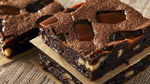
Dark Chocolate Brownies
  • Task 94: Introduction | Dark Chocolate Brownies
  • Task 95: Pastry Principles & Practice Recipe
Brown Butter Rice Crispy Squares
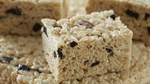
  • Task 96: Introduction | Brown Butter Rice Crispy Squares
  • Task 97: Pastry Principles & Practice Recipe
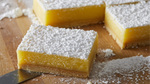
Silky Lemon Curd Bars
  • Task 98: Introduction | Silky Lemon Curd Bars
  • Task 99: Pastry Principles & Practice Recipe
  • Task 100: Image Select: Bars
Unit Review & Assessment
  • Task 101: Unit Review & Quiz Preparation
  • Task 102: Unit Assessment
End of Unit 9
Unit 10: Cookies: Decorated
View Tasks
Unit Introduction
  • Task 103: Unit Introduction and Objectives
  • Task 104: Complete a Self-Assessment & Pre-Assessment
Butter & Vanilla Shortbread Cookies
  • Task 105: Introduction | Butter & Vanilla Shortbread Cookies
  • Task 106: Pastry Principles & Practice Recipe
Royal Icing for Decorated Cookies
  • Task 107: Introduction | Royal Icing for Decorated Cookies
  • Task 108: Pastry Principles & Egg White Powder Icing
  • Task 109: Pastry Principles & Royal Icing
Unit Review & Assessment
  • Task 110: Unit Review & Quiz Preparation
  • Task 111: Unit Assessment
End of Unit 10
Unit 11: Introduction to Bread: Loaf Pan Bread
View Tasks
Unit Introduction
  • Task 112: Unit Introduction and Objectives
  • Task 113: Complete a Self-Assessment & Pre-Assessment
Basics of Base Temperature Methodology
  • Task 114: Introduction | Base Temperature Methodology
  • Task 115: Bread Principles
Introduction to Product
  • Task 116: Introduction | Toast Bread
  • Task 117: Bread Principles & Recipes
Unit Review & Assessment
  • Task 118: Unit Review & Quiz Preparation
  • Task 119: Unit Assessment
End of Unit 11
Unit 12: Breads: French Breads and Italian Breads
View Tasks
Unit Introduction
  • Task 120: Unit Introduction and Objectives
  • Task 121: Complete a Self-Assessment & Pre-Assessment
Introduction to Product.
  • Task 122: Introduction | Poolish Yeasted Starter
  • Task 123: Bread Principles & Recipe
  • Task 124: Introduction | Traditional French Baguette
  • Task 125: Bread Principles & Recipe
Introduction to Product
  • Task 126: Introduction | Bountiful Focaccia Bread
  • Task 127: Bread Principles & Practice Recipe
  • Task 128: Image Select: Breads
Unit Review & Assessment
  • Task 129: Unit Review & Quiz Preparation
  • Task 130: Unit Assessment
End of Unit 12
Unit 13: Breakfast Pastries: Yeasted enriched doughs, Yeasted Laminated Dough, Laminated Doughs
View Tasks
Unit Introduction
  • Task 131: Unit Introduction and Objectives
  • Task 132: Complete a Self-Assessment & Pre-Assessment
Traditional Brioche
  • Task 133: Introduction | Traditional Brioche
  • Task 134: Bread Principles & Recipe
Croissants & Chocolate Croissants
  • Task 135: Introduction | Croissants & Chocolate Croissants
  • Task 136: Bread Principles & Recipe
Quick Puff Pastry Dough
  • Task 137: Introduction | Quick Puff Pastry Dough
  • Task 138: Bread Principles & Recipe
  • Task 139: Reorder Activity
Apple Turnovers
  • Task 140: Introduction | Apple Turnovers
  • Task 141: Pastry Principles & Recipe
Unit Review & Assessment
  • Task 142: Unit Review & Quiz Preparation
  • Task 143: Unit Assessment
End of Unit 13
Unit 14: Tarts and Pies: Fruit Pies, Apple Tarts, Almond Cream Tarts
View Tasks
Unit Introduction
  • Task 144: Unit Introduction and Objectives
  • Task 145: Complete a Self-Assessment & Pre-Assessment
Cherry Pie
  • Task 146: Introduction | Cherry Pie
  • Task 147: Pastry Principles | Streusel Recipe
  • Task 148: Pastry Principles | Pie Dough Recipe
  • Task 149: Pastry Principles | Almond Cream Recipe
  • Task 150: Pastry Principles | Cherry Pie Recipe
  • Task 151: Activity | Label Cherry Pie Mise En Place
Thin Apple Tart
  • Task 152: Introduction | Thin Apple Tart
  • Task 153: Pastry Principles & Recipe
Baked Pear & Almond Cream Tart
  • Task 154: Introduction | Baked Pear & Almond Cream Tart
  • Task 155: Pastry Principles & Recipe
Unit Review & Assessment
  • Task 156: Unit Review & Quiz Preparation
  • Task 157: Unit Assessment
End of Unit 14
Unit 15: French Pastries: Crêpes & Chouquettes
View Tasks
Unit Introduction
  • Task 158: Unit Introduction and Objectives
  • Task 159: Complete a Self-Assessment & Pre-Assessment
Traditional Crêpes
  • Task 160: Introduction | Traditional Crêpes
  • Task 161: Pastry Principles & Recipe
Choux Paste Dough
  • Task 162: Introduction | Choux Paste Dough
  • Task 163: Pastry Principles & Recipe
Vanilla Pastry Cream Custard
  • Task 164: Introduction | Vanilla Pastry Cream Custard
  • Task 165: Pastry Principles & Recipe
Classic Chouquettes
  • Task 166: Introduction | Classic Chouquettes
  • Task 167: Pastry Principles & Recipe
Unit Review & Assessment
  • Task 168: Unit Review & Quiz Preparation
  • Task 169: Unit Assessment
End of Unit 15
Unit 16: Cookies: Macarons
View Tasks
Unit Introduction
  • Task 170: Unit Introduction and Objectives
  • Task 171: Complete a Self-Assessment & Pre-Assessment
French Meringue Almond Macarons
  • Task 172: Introduction | French Meringue Almond Macarons
  • Task 173: Pastry Principles & Recipe
Bittersweet Dark Chocolate Ganache Filling for Macarons
  • Task 174: Introduction | Bittersweet Dark Chocolate Ganache Filling
  • Task 175: Pastry Principles & Recipe
  • Task 176: Reorder Activity
Unit Review & Assessment
  • Task 177: Unit Review & Quiz Preparation
  • Task 178: Unit Assessment
End of Unit 16
Unit 17: French Pastries: Dark Chocolate Mousse & Vanilla Creme Brûlée
View Tasks
Unit Introduction
  • Task 179: Unit Introduction and Objectives
  • Task 180: Complete a Self-Assessment & Pre-Assessment
Bistro Style Dark Chocolate Mousse
  • Task 181: Introduction | Bistro Style Dark Chocolate Mousse
  • Task 182: Pastry Principles & Recipe
Vanilla Crème Brûlée
  • Task 183: Introduction | Vanilla Crème Brûlée
  • Task 184: Pastry Principles & Recipe
Unit Review & Assessment
  • Task 185: Unit Review & Quiz Preparation
  • Task 186: Unit Assessment
End of Unit 17
Unit 18: Frozen Dessert: Vanilla Ice Cream
View Tasks
Unit Introduction
  • Task 187: Unit Introduction and Objectives
  • Task 188: Complete a Self-Assessment & Pre-Assessment
French Vanilla Ice Cream and Raspberry Coulis
  • Task 189: Introduction | French Vanilla Ice Cream and Raspberry Coulis
  • Task 190: Pastry Principles & Recipe
  • Task 191: Activity | Label Vanilla Ice Cream Mise En Place
Unit Review & Assessment
  • Task 192: Unit Review & Quiz Preparation
  • Task 193: Unit Assessment
End of Unit 18
Unit 19: Candies and Confections
View Tasks
Unit Introduction
  • Task 194: Unit Introduction and Objectives
  • Task 195: Complete a Self-Assessment & Pre-Assessment
Bittersweet Dark Chocolate Truffles
  • Task 196: Introduction | Bittersweet Dark Chocolate Truffles
  • Task 197: Pastry Principles & Recipe
Salted Butter Caramels from Brittany
  • Task 198: Introduction | Salted Butter Caramels from Brittany
  • Task 199: Pastry Principles & Recipe
  • Task 200: Activity | Label the Salted Butter Caramels Mise en Place
Unit Review & Assessment
  • Task 201: Unit Review & Quiz Preparation
  • Task 202: Unit Assessment
End of Unit 19
Unit 20: Course Final Assessment
View Tasks
This unit provides an opportunity for students to complete a comprehensive course assessment.
Final Assessment
  • Task 203: Survey | Share Your Course Feedback
  • Task 204: Your Final Exam Preparation
  • Task 205: Final Course Assessment
  • Task 206: Books, Websites & Other References
End of Unit 20

Course Description

A 40-hour online course focusing on pastry, baking, and decorating. The units will teach everything you need to know to set up your ideal baking and pastry kitchen, get you started on the basics, and then move on the more advanced techniques.

Course Highlights

  • 40 Hours | 20 units | 200+ tasks
  • More than 100 high-definition instructional videos
  • Recognized by the American Culinary Federation Education Foundation as an approved program
  • 100% online & self-paced
  • Certificate of completion

Course Objectives

  • Describe how ingredients function and work together, including fats, sweeteners, flour, eggs and other common products
  • Distinguish the three disciplines of baking, pastry, and decorating
  • Identify the proper steps to create a variety of finished baking and pastry products
  • Develop proper piping skills, folding, mixing, and rolling techniques
  • Explain the process for applying various pastry techniques

Course Description

A 40-hour online course focusing on pastry, baking, and decorating. The units will teach everything you need to know to set up your ideal baking and pastry kitchen, get you started on the basics, and then move on the more advanced techniques.

Course Highlights

  • 40 Hours | 20 units | 200+ tasks
  • More than 100 high-definition instructional videos
  • Recognized by the American Culinary Federation Education Foundation as an approved program
  • 100% online & self-paced
  • Certificate of completion

Course Objectives

  • Describe how ingredients function and work together, including fats, sweeteners, flour, eggs and other common products
  • Distinguish the three disciplines of baking, pastry, and decorating
  • Identify the proper steps to create a variety of finished baking and pastry products
  • Develop proper piping skills, folding, mixing, and rolling techniques
  • Explain the process for applying various pastry techniques

Catalyst Kitchen - Food Cost Accounting

Show Full Syllabus
Unit 1: Food Cost Accounting
View Tasks
Food cost accounting in a professional kitchen involves tracking and analyzing all expenses related to food and beverage operations in order to determine the cost of producing each menu item.
Orientation
Unit Orientation
  • Task 1: Food Cost Accounting Orientation & Objectives
Culinary Math
  • Task 2: Culinary Math
  • Task 3: Weights, Volumes, & Measurements
  • Task 4: Quiz
Scaling, Measuring, & Weighing
  • Task 5: Scaling, Measuring, & Weighing
  • Task 6: Question Reveal
Standardized Recipes
  • Task 7: Standardized Recipes
  • Task 8: Ingredient List
  • Task 9: Question Reveal
Recipe Conversions
  • Task 10: Recipe Conversions Refresher from CC course
  • Task 11: Recipe Conversions
  • Task 12: Activity | Recipe Conversions
Recipe Costing & Menu Price
  • Task 13: Recipe Costing & Menu Price
  • Task 14: Setting Prices
  • Task 15: Reorder Activity
Calculating Food Cost
  • Task 16: Calculating Food Cost
  • Task 17: Quiz
Baker’s Percentage
  • Task 18: Baker’s Percentage
  • Task 19: Quiz
Butcher Yield Percentage
  • Task 20: Butcher Yield Percentage
  • Task 21: Question Reveal
Beverage Costs & Percentages
  • Task 22: Beverage Costs & Percentages
  • Task 23: Calculating Cost
  • Task 24: Quiz
Labor Costs
  • Task 25: Labor Costs
  • Task 26: Labor Cost Percentages
  • Task 27: Question Reveal
Controllable & Variable Expenses
  • Task 28: Controllable & Variable Expenses
  • Task 29: Operational Costs
  • Task 30: Question Reveal
Profit & Loss Statement
  • Task 31: Profit & Loss Statement
  • Task 32: Subcategories
  • Task 33: Question Reveal
Annual Budgets
  • Task 34: Business and Personal Finances
  • Task 35: Annual Budgets
  • Task 36: Quiz
Technologies for Costing
  • Task 37: Technologies for Costing
  • Task 38: Point of Sale (POS) Systems
  • Task 39: Quiz
Marketing & Profitability
  • Task 40: Marketing & Profitability
  • Task 41: Restaurant Events
  • Task 42: Question Reveal
Food Entrepreneurship
  • Task 43: Entrepreneurship Networking
  • Task 44: Food Business Opportunities
  • Task 45: Foodservice Business Plans
  • Task 46: Question Reveal
Conclusion
  • Task 47: Quiz

Course Description

Course Highlights

Course Objectives

Course Description

Course Highlights

Course Objectives

Catalyst Kitchen - Kitchen Management

Show Full Syllabus
Unit 1: Introduction to Food Service
View Tasks
In this course, you will learn about the philosophy, history, and role of the hospitality industry. As a chef and cook, you have great influence on customers and their experience. Embrace this role seriously and make a difference for those you serve.
Orientation
Unit Orientation
  • Task 1: Orientation & Objectives
Customer Service
  • Task 2: Introduction to Hospitality
  • Task 3: Customer Service
  • Task 4: Quiz
History and Growth of the Hospitality & Tourism Industry
  • Task 5: History & Growth of the Industry
  • Task 6: Historical Figures
  • Task 7: Reorder Activity
Professional Ethics
  • Task 8: Ethics
  • Task 9: ACF Codes of Conduct
  • Task 10: Quiz
Menu Planning Factors
  • Task 11: Purchasing, Controls & Management
  • Task 12: Food Production & Service
  • Task 13: Question Reveal
Professional Organizations & Associations
  • Task 14: Professional Organizations & Associations
  • Task 15: Leading US Culinary Associations
  • Task 16: Activity | Professional Organizations & Associations
Career Opportunities
  • Task 17: Career Opportunities
  • Task 18: Unusual & Emerging Food Jobs
  • Task 19: Quiz
Industry Trends
  • Task 20: Industry Trends
  • Task 21: Health & Sustainability
  • Task 22: Technology
  • Task 23: Quiz
Individual Growth Through Lifelong Learning
  • Task 24: Continuing Education
  • Task 25: Trade Magazines
  • Task 26: Question Reveal
Unit Conclusion
  • Task 27: Quiz
End of Unit 1
Unit 2: Menu Planning
View Tasks
Menu planning in the foodservice industry involves the process of designing and organizing a menu for a restaurant, catering service, or any other type of foodservice establishment. This process typically includes determining the target market, selecting food items, pricing, and creating recipes that are both appealing to customers and profitable for the business.
Orientation
Unit Orientation
  • Task 28: Menu Planning Orientation & Objectives
Menu Layout & Design
  • Task 29: Menu Layout & Design
  • Task 30: Basic Guidelines
  • Task 31: Quiz
Menu Types
  • Task 32: Menu Types
  • Task 33: Quiz
Seasonal Menus
  • Task 34: Seasonal Menus
  • Task 35: Examples of Seasonal Menus
  • Task 36: Activity | Seasonal Menus
Truth-In-Menu Guidelines
  • Task 37: Truth-In-Menu Guidelines
  • Task 38: Factors to Consider
  • Task 39: Question Reveal
Nutrition & Labeling Laws
  • Task 40: Nutrition & Labeling Laws
  • Task 41: Allergens
  • Task 42: Question Reveal
Menu Effect on Food, Labor Cost & Equipment
  • Task 43: Menu Effect on Food, Labor Cost & Equipment
  • Task 44: Menu Price
  • Task 45: Quiz
Menu Prices
  • Task 46: Menu Prices
  • Task 47: As Purchased Quantity
  • Task 48: Quiz
Menu-Planning Resources
  • Task 49: Menu-Planning Resources
  • Task 50: Menu Engineering
  • Task 51: Question Reveal
Profit Factors
  • Task 52: Profit Factors
  • Task 53: Question Reveal
Unit Conclusion
  • Task 54: Quiz
End of Unit 2
Unit 3: Purchasing and Receiving
View Tasks
In this course, you will learn about purchasing and receiving and its crucial role in sanitation, ingredient freshness, and profitability. As a kitchen employee, you should thoroughly understand food specifications and ordering, basic HACCP procedures, and the keys to receiving, inspecting and storing product and non-food items.
Orientation
Unit Orientation
  • Task 55: Orientation & Objectives
Ordering, Receiving & Issuing
  • Task 56: Ordering, Receiving & Issuing
  • Task 57: Reorder Activity
Purchasing Methods
  • Task 58: Purchasing Methods
  • Task 59: Orders
  • Task 60: Quiz
Dry, Refrigerated & Frozen Ingredients
  • Task 61: Dry Ingredients
  • Task 62: Refrigerated & Frozen Ingredients
  • Task 63: Quiz
Market Fluctuation, Seasonality & Menu Prices
  • Task 64: Market Fluctuation, Seasonality & Menu Prices
  • Task 65: Seasonality
  • Task 66: Quiz
Food Specifications & Ordering
  • Task 67: Food Specifications & Ordering
  • Task 68: Activity | Food Specifications & Ordering
HACCP procedures
  • Task 69: HACCP procedures
  • Task 70: Question Reveal
Receiving & Storing
  • Task 71: Receiving & Storing
  • Task 72: Receiving Non-Food Items
  • Task 73: Quiz
Inspecting & Grading Product
  • Task 74: Inspecting & Grading Product
  • Task 75: Quiz
Food Requisitions
  • Task 76: Food Requisitions
  • Task 77: Quiz
Food Handling Procedures
  • Task 78: Food Handling Procedures
  • Task 79: Question Reveal
Par Systems & Storage
  • Task 80: Par Systems & Storage
  • Task 81: Operating Calendar
  • Task 82: Question Reveal
Technology
  • Task 83: Technology
  • Task 84: Question Reveal
Inventory Control
  • Task 85: Inventory Control
  • Task 86: Quiz
Conclusion
  • Task 87: Quiz
End of Unit 3
Unit 4: Supervisory Management
View Tasks
It is important to become acquainted with some of the main functions of management, particularly in a food service operation. This course reviews communication, leadership, job descriptions, motivational techniques, conflict resolution, and stress management.
Orientation
Orientation
  • Task 88: Orientation & Objectives
Communication Skills & Interpersonal Relationships
  • Task 89: Communication Skills & Interpersonal Relationships
  • Task 90: Communication
  • Task 91: Quiz
Management Versus Leadership
  • Task 92: Manager vs Leader
  • Task 93: Key Traits of Leaders
  • Task 94: Quiz
Leadership Styles
  • Task 95: Leadership Styles
  • Task 96: Quiz
Supervisor’s Role
  • Task 97: Supervisor’s Role
  • Task 98: Problem Solving
  • Task 99: Reorder Activity
Job Description
  • Task 100: Job Description
  • Task 101: Job Descriptions vs Job Specifications
  • Task 102: Quiz
Motivational Techniques
  • Task 103: Motivational Techniques
  • Task 104: Common Motivational Techniques
  • Task 105: Question Reveal
Conflict Resolution
  • Task 106: Conflict Resolution
  • Task 107: Grievance
  • Task 108: Activity | Conflict Resolution
Stress: Signs, Symptoms & Prevention
  • Task 109: Stress
  • Task 110: Exercise and Diet
  • Task 111: Question Reveal
Time Management
  • Task 112: Time Management
  • Task 113: Quiz
Sexual Harassment, Discrimination, Anger & Unemployment
  • Task 114: Sexual Harassment, Discrimination, Anger & Unemployment
  • Task 115: Quiz
Mission & Vision Statements
  • Task 116: Mission & Vision Statements
  • Task 117: Vision
  • Task 118: Quiz
Hiring, Training, Disciplining & Firing
  • Task 119: Hiring, Training, Disciplining & Firing
  • Task 120: Phases in the Employment Life Cycle
  • Task 121: Reorder Activity
Conclusion
  • Task 122: Quiz
End of Unit 4
Unit 5: Dining Room Service
View Tasks
Some of the main topics covered include the various responsibilities of personnel to present a seamless experience between the front and the back of the house. Specifically for the dining room, this unit reviews table service, server duties, sales techniques, dealing with guests, and useful technology.
Orientation
Orientation
  • Task 123: Orientation & Objectives
Styles of Table Service
  • Task 124: Table Service
  • Task 125: Quiz
Communication
  • Task 126: Communication
  • Task 127: Question Reveal
Dining Service Personnel Responsibilities
  • Task 128: Dining Service Personnel Responsibilities
  • Task 129: Phases in the Employment Life Cycle
  • Task 130: Activity | Dining Service Personnel Responsibilities
Front & Back Server Duties
  • Task 131: Front & Back Server Duties
  • Task 132: Gaining FOH Experience
  • Task 133: Quiz
Sales Techniques
  • Task 134: Sales Techniques
  • Task 135: Cash Handling
  • Task 136: Quiz
Difficult Guest Situations
  • Task 137: Difficult Guest Situations
  • Task 138: Rectifying Issues
  • Task 139: Quiz
Dining Room Training
  • Task 140: Dining Room Training
  • Task 141: Question Reveal
Technology & Point of Sales System
  • Task 142: Technology & Point of Sales System
  • Task 143: Question Reveal
Conclusion
  • Task 144: Quiz
End of Unit 5
Unit 6: Beverage Management
View Tasks
In this course, you will learn about the central role that beverages can play in foodservice profitability, experience, and customer satisfaction. You’ll survey general laws concerning alcohol, how wines and distilled spirits are made, and responsible alcohol service.
Orientation
Orientation
  • Task 145: Orientation & Objectives
Alcohol Laws
  • Task 146: Alcohol Laws
  • Task 147: Activity | Alcohol Laws
Distillation & Fermentation
  • Task 148: Distillation & Fermentation
  • Task 149: Fermentation
  • Task 150: Question Reveal
Wines
  • Task 151: Wines
  • Task 152: White Wine Grape Varieties
  • Task 153: Red & Rose Wine Grape Varieties
  • Task 154: Question Reveal
Food & Beverage Menu Planning
  • Task 155: Food & Beverage Menu Planning
  • Task 156: Question Reveal
Beverage Presentation
  • Task 157: Beverage Presentation
  • Task 158: Wine Service
  • Task 159: Quiz
Equipment & Glassware
  • Task 160: Equipment & Glassware
  • Task 161: Quiz
Opening & Closing
  • Task 162: Opening & Closing
  • Task 163: Closing Checklist
  • Task 164: Quiz
Responsible Alcohol Service
  • Task 165: Responsible Alcohol Service
  • Task 166: Quiz
Conclusion
  • Task 167: Quiz
End of Unit 6

Course Description

Course Highlights

Course Objectives

Course Description

Course Highlights

Course Objectives